
Schedule Today: Now offering telemedicine appointments throughout Florida
In-Person Appointments Available at select locations
Tirzepatide: Medical Weight Loss Clinics in Florida
what is Tirzepatide?
Tirzepatide is a novel medication that was initially developed for the treatment of type 2 diabetes. It works by targeting two key hormones, glucagon-like peptide-1 (GLP-1) and glucose-dependent insulinotropic peptide (GIP), to regulate blood sugar levels. Tirzepatide is classified as a dual GLP-1 and GIP receptor agonist, making it one of the first drugs to utilize this dual action for improved glucose control.
In clinical trials, tirzepatide has demonstrated remarkable effectiveness in not only lowering blood glucose levels but also promoting weight loss, making it a promising treatment option for individuals with type 2 diabetes who also struggle with obesity. Due to its dual mechanism of action, tirzepatide is different from traditional GLP-1 agonists and offers an advanced approach to managing these metabolic conditions.
While tirzepatide is primarily prescribed for type 2 diabetes, its weight loss benefits have sparked interest in its use as a treatment for obesity, especially in individuals who do not have diabetes. In fact, studies have shown that tirzepatide can help individuals achieve significant and sustained weight loss, leading to its growing recognition as a potential treatment for obesity as well.
What is Compounded Tirzepatide?
The process of compounding involves mixing, altering, or preparing medications in a way that is not available in commercially manufactured products. Compounding pharmacies have the flexibility to adjust the formulation to meet specific requirements, such as lower or higher doses, or in some cases, different routes of administration (for example, oral forms of tirzepatide).
- Need a customized dosage that is not available in commercially available forms.
- Require an alternative form of delivery (such as oral tablets instead of injections).
- Have allergies or sensitivities to specific ingredients in the commercially manufactured form.
- Are seeking a more affordable option, as compounded medications are sometimes more cost-effective than brand-name drugs.
It is important to note that compounded tirzepatide is prepared by licensed professionals, but it is not FDA-approved. This means that compounded forms are made under different regulatory standards, and their safety and effectiveness may not have been rigorously tested in clinical trials to the same extent as the original, FDA-approved product.
How Does Tirzepatide Work?
- GLP-1 Receptor Activation: GLP-1 is a hormone that plays a crucial role in regulating glucose levels. By stimulating GLP-1 receptors, tirzepatide increases insulin secretion in response to meals, enhances insulin sensitivity, and reduces glucagon production (which helps lower blood sugar levels). It also slows down gastric emptying, helping individuals feel fuller for longer, which contributes to weight loss.
- GIP Receptor Activation: GIP is another hormone that influences insulin secretion, but it also plays a role in promoting fat storage. Tirzepatide’s ability to activate both GLP-1 and GIP receptors simultaneously results in a synergistic effect that helps manage both blood sugar and body weight more effectively than medications targeting GLP-1 alone.
Benefits of Tirzepatide
- Effective Blood Sugar Control: Tirzepatide has been shown to significantly reduce HbA1c levels (a marker of long-term blood sugar control), making it a highly effective option for managing type 2 diabetes.
- Weight Loss: One of the key benefits of tirzepatide is its ability to help individuals lose weight. Many people with type 2 diabetes or obesity struggle with weight management, and tirzepatide has been shown to lead to substantial weight loss in clinical trials.
- Improved Cardiovascular Health: Tirzepatide has been associated with improvements in key cardiovascular risk factors, such as lowering blood pressure and reducing cholesterol levels, further enhancing its therapeutic value.
- Convenience of Dosing: Tirzepatide is administered via weekly injections, providing greater convenience compared to daily oral medications.
Is Compounded Tirzepatide Right for You?
Compounded tirzepatide may be an option for those who need a more tailored treatment approach, but it is important to consult with a healthcare provider to determine if it is the right choice for your health needs. Your doctor will assess your medical history, current health condition, and specific requirements before recommending compounded tirzepatide or any other medication.
If you are considering compounded tirzepatide, ensure that you work with a reputable compounding pharmacy that adheres to strict safety and quality standards. Be sure to ask questions about the preparation process, dosing options, and any potential risks involved with compounded formulations.
Tirzepatide Dosing
Always consult with your healthcare provider before starting any new medication, including compounded forms of tirzepatide, to ensure it is appropriate for your individual health needs and circumstances.
Standard Dosing of Tirzepatide
- Initial Dose: The usual starting dose of tirzepatide is 2.5 mg once a week. This lower dose helps the body adjust to the medication while minimizing potential side effects like nausea.
- Maintenance Dose: After 4 weeks of treatment, your healthcare provider may increase the dose to 5 mg once a week. Based on your response to the medication, the dose may be gradually increased in increments of 2.5 mg every 4 weeks, up to a maximum dose of 15 mg per week.
Dosing for Compounded Tirzepatide
Medical-Only Program
- Dosage Customization: Compounded tirzepatide may be prescribed in different dosages that are tailored to the patient’s needs. For example, if a patient requires a lower or higher dose than what is available in the standard formulations, the pharmacy may compound the medication to meet those specific requirements.
- Alternative Forms: In addition to injectable formulations, compounded tirzepatide may also be available in oral or other customized forms, depending on what is suitable for the patient. For example, some people may prefer to take a medication orally rather than through weekly injections, and compounding pharmacies can sometimes create this alternative.
How to Administer Tirzepatide
- Injection Site: Common injection sites include the upper thigh, abdomen, or upper arm. Rotate the injection sites each week to prevent irritation or tissue damage.
- Preparation and Administration: If you’re using the injectable form, your healthcare provider will demonstrate how to prepare and inject tirzepatide. It’s important to follow all instructions carefully, including proper storage, to ensure the medication’s efficacy and safety.
- Dosage Adjustments: Your healthcare provider will monitor your progress and may adjust your dose based on your response to the medication and any side effects experienced. The goal is to find the optimal dose that balances efficacy with minimal side effects.
Monitoring and Adjustments
- Blood Glucose Monitoring: Regular blood glucose testing helps determine how well tirzepatide is managing your blood sugar levels. Depending on your individual response, your healthcare provider may adjust your dose to help you reach the desired target range.
- Weight Management: Since tirzepatide has been shown to assist with weight loss, tracking your weight regularly can help your doctor determine if the medication is working effectively in managing your obesity (if applicable).
- Side Effect Management: Like all medications, tirzepatide may cause side effects, including nausea, vomiting, or gastrointestinal discomfort. If you experience any severe or persistent side effects, inform your healthcare provider, who may adjust your dosage or recommend other measures to reduce these symptoms.

Special Considerations for Compounded Tirzepatide
-
Consult Your Doctor: Always consult with your healthcare provider before making any changes to your medication or if you’re considering compounded tirzepatide. They can guide you through the process and ensure the appropriate dosing schedule for your health goals.
-
Quality Assurance: Compounded medications are not FDA-approved, which means they are not subject to the same rigorous regulatory scrutiny as commercially manufactured drugs. Be sure to choose a compounding pharmacy that adheres to high-quality standards and has a good reputation for preparing safe and effective compounded medications.
Tirzepatide Side Effects
Common Side Effects of Tirzepatide
- Nausea: One of the most frequently reported side effects is nausea. This is especially common during the early stages of treatment, as the body adjusts to tirzepatide. Starting at a lower dose (such as 2.5 mg per week) and gradually increasing the dose can help minimize nausea.
- Vomiting: Some individuals may experience vomiting, particularly if the body has difficulty adjusting to the medication. Like nausea, vomiting typically subsides as the body adapts to tirzepatide over time.
- Diarrhea: Gastrointestinal issues like diarrhea can occur in the first few weeks of treatment, as the medication works to slow gastric emptying and regulate blood sugar levels. These symptoms often improve with continued use.
- Decreased Appetite: Tirzepatide’s effects on GLP-1 can suppress appetite, which can be beneficial for weight loss but may also cause a decrease in food intake, particularly in the early stages of treatment. This side effect may lead to weight loss over time.
- Indigestion: Some patients experience indigestion or an upset stomach, which can be alleviated by taking the medication with food or adjusting the dose as recommended by a healthcare provider.
- Injection Site Reactions: Since tirzepatide is commonly administered via subcutaneous injection, some individuals may experience redness, itching, swelling, or irritation at the injection site. These reactions are usually mild and resolve on their own.
Less Common but Serious Side Effects
- Pancreatitis (Inflammation of the Pancreas): Though rare, tirzepatide may increase the risk of pancreatitis, a serious and potentially life-threatening condition. Symptoms of pancreatitis include severe abdominal pain, nausea, vomiting, and fever. If you experience these symptoms, seek immediate medical attention.
- Kidney Problems: Tirzepatide may cause or exacerbate kidney problems in some individuals. If you experience signs of kidney dysfunction, such as changes in urination, swelling in your legs or ankles, or unusual fatigue, consult your healthcare provider promptly.
- Severe Hypoglycemia (Low Blood Sugar): Although tirzepatide itself is not typically associated with severe hypoglycemia, the risk of low blood sugar may increase when it is used in combination with other diabetes medications, such as insulin or sulfonylureas. Symptoms of hypoglycemia include dizziness, shaking, confusion, and excessive sweating. If these occur, it’s important to treat the low blood sugar immediately by consuming a source of glucose.
- Thyroid Tumors: In animal studies, GLP-1 receptor agonists like tirzepatide have been associated with thyroid tumors, including a rare form of thyroid cancer called medullary thyroid carcinoma (MTC). Although this risk has not been definitively proven in humans, it is still a concern, particularly for those with a family history of thyroid cancer or multiple endocrine neoplasia syndrome type 2 (MEN 2). Talk to your doctor if you have a history of thyroid problems or genetic conditions associated with thyroid cancer.
- Gallbladder Disease: Tirzepatide may increase the risk of developing gallstones or other gallbladder problems, especially in patients who have pre-existing conditions like obesity or are undergoing rapid weight loss. Symptoms of gallbladder issues include upper abdominal pain, nausea, vomiting, or jaundice (yellowing of the skin or eyes).
Side Effects of Compounded Tirzepatide
- Because compounded tirzepatide is made to order by a licensed pharmacy, the specific formulation may vary slightly in terms of excipients (inactive ingredients) and concentration. While the active ingredient—tirzepatide—remains the same, there are a few important considerations:
- Quality and Purity: Since compounded medications are not FDA-approved, there may be concerns about the quality and consistency of the formulation. It is important to obtain compounded tirzepatide from a licensed, reputable pharmacy that follows strict compounding practices and adheres to guidelines for proper preparation.
- Allergic Reactions: If you have known allergies to certain ingredients (such as preservatives or stabilizers) in the compounded formulation, this may increase the risk of allergic reactions. Symptoms of an allergic reaction include rash, swelling (especially of the face/tongue/throat), dizziness, or difficulty breathing. If any of these occur, seek immediate medical attention.
- Inconsistent Dosage: Since compounded tirzepatide is customized to specific dosage requirements, there is a possibility of variations in the strength and potency of the medication. This can affect how well the drug works and may alter the side effects experienced. Working closely with your healthcare provider and pharmacist ensures that the compounded version is formulated and dosed correctly for your needs.
Managing Side Effects
If you experience any side effects while taking tirzepatide, especially in the initial stages of treatment, here are some tips for managing them:
- Start with a Lower Dose: Begin treatment with a lower dose of tirzepatide, especially for those who are sensitive to gastrointestinal side effects. Your healthcare provider will gradually increase the dose over time to minimize discomfort.
- Stay Hydrated: Drink plenty of fluids, particularly if you experience nausea, vomiting, or diarrhea. Staying hydrated helps your body cope with gastrointestinal issues and maintain overall health.
- Follow Injection Instructions Carefully: If you experience injection site reactions, ensure that you are following proper injection techniques and rotating injection sites to minimize irritation.
- Contact Your Doctor: If you experience severe or persistent side effects, or if you develop any symptoms of serious side effects (like pancreatitis or kidney issues), contact your healthcare provider immediately. Your dose may need to be adjusted or alternative treatments may need to be explored.
Visit Our Florida Weight Loss Clinics
Select a location below for details.
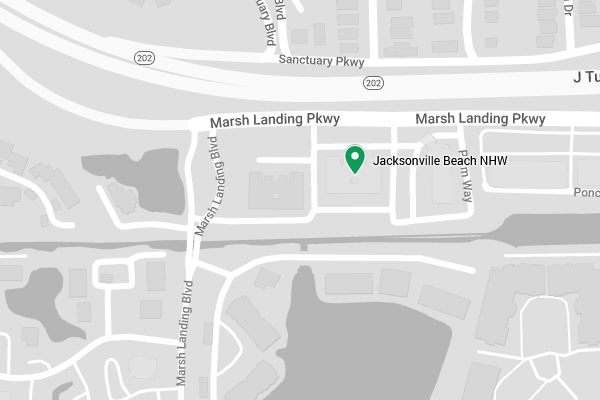
Jacksonville Beach
1300 Marsh Landing Pkwy, Ste 107
Jacksonville Beach, FL 32250
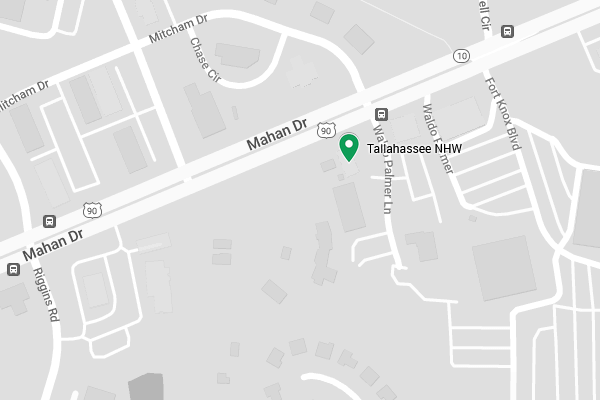
Tallahassee
2633 Mahan Dr.
Tallahassee, FL 32308
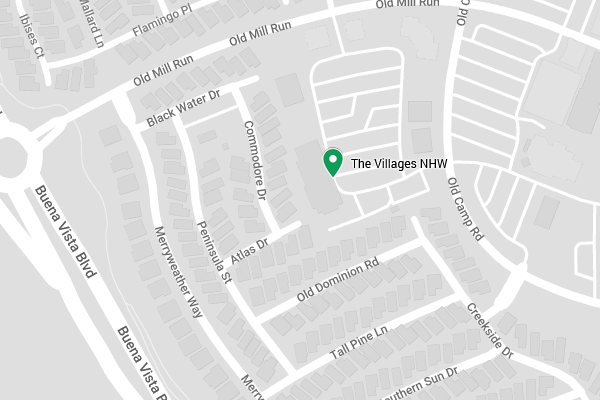
The Villages
1050 Old Camp Rd #202
The Villages, FL 32162
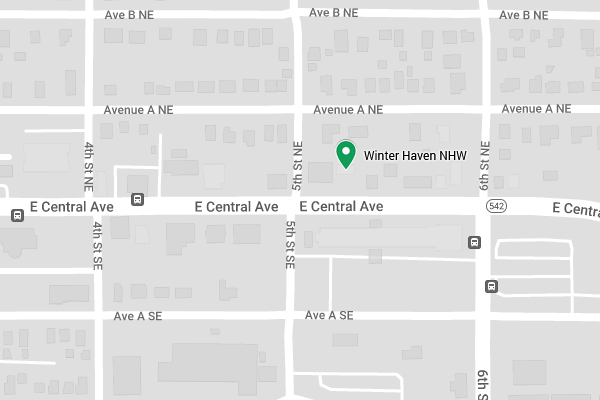
Winter Haven
521 E Central Ave
Winter Haven, FL 33880
Contact New Horizon Weight Loss Clinics
Welcome to New Horizons Wellness, your premier destination for weight loss solutions. Our clinic specializes in offering cutting-edge treatments, including semaglutide & tirzepatide therapy, to help you achieve your weight loss goals effectively and sustainably. With a team of dedicated professionals and personalized care plans, we are committed to guiding you towards a healthier and happier lifestyle.
263 Mahan Drive
Tallahassee, FL 32308